
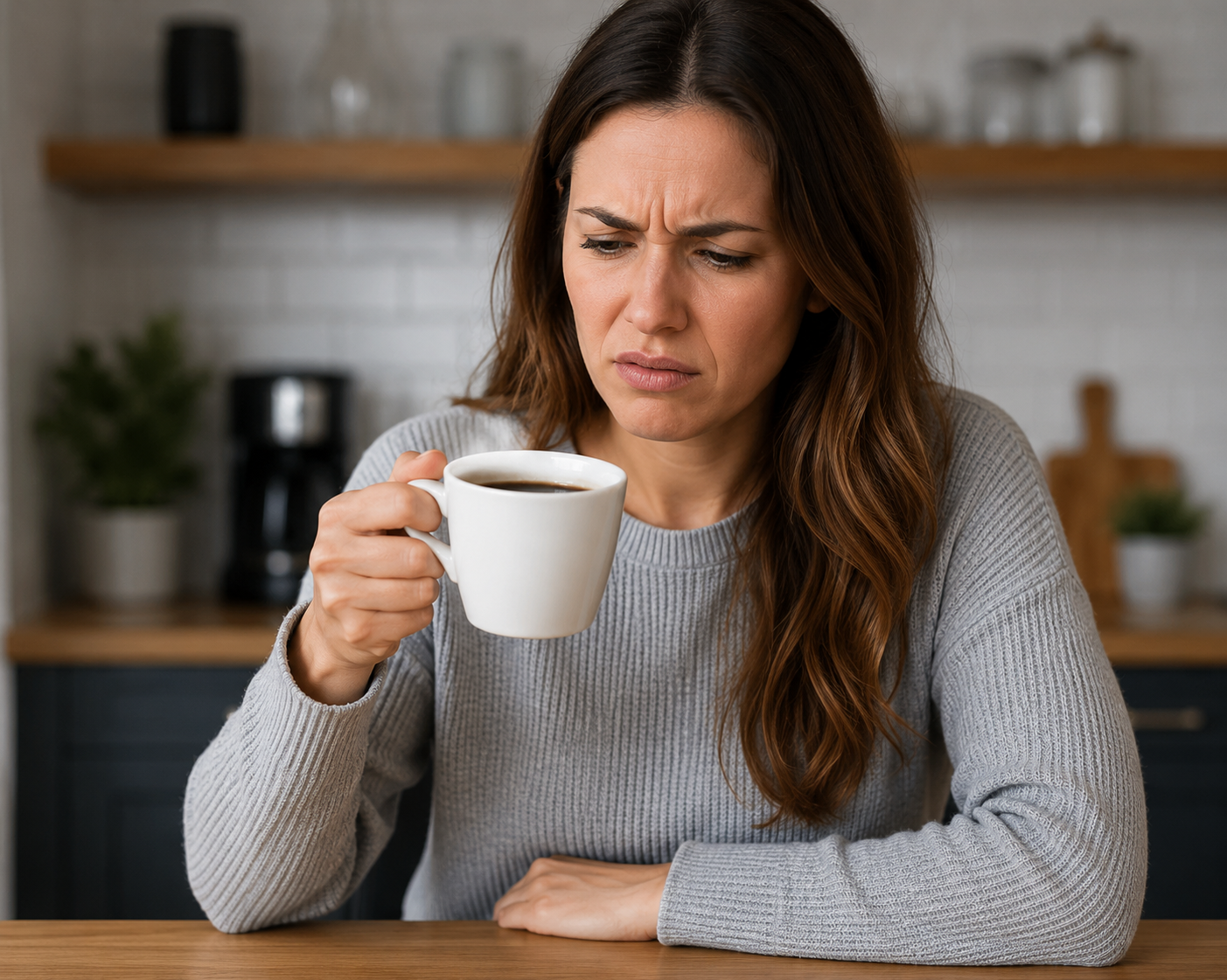
If you've ever made a cup of coffee or tea at home in Florida and thought it tasted flat, bitter, or just not quite right compared to what you get at your favorite café — your water is almost certainly part of the reason. Water makes up more than 98 percent of a cup of coffee and nearly all of a cup of tea. What's in that water matters enormously, and Florida's hard water brings a lot of things to the cup that don't belong there.
Water Is an Ingredient — Not Just a Vehicle
This is the mindset shift that changes how you think about coffee and tea at home. Most people think of water as the neutral medium that carries the flavor of coffee grounds or tea leaves. But water isn't neutral — especially not Florida water.
Hard water contains significant concentrations of dissolved calcium and magnesium. It may also contain chlorine or chloramines from municipal treatment, iron from well sources, sulfur compounds, and other minerals that each bring their own flavor contribution to whatever you're brewing.
Professional baristas and specialty tea shops obsess over water chemistry for exactly this reason. The same coffee beans brewed with different water produce noticeably different results. Water that's too hard, too soft, too alkaline, or too acidic all affect the extraction of flavor compounds differently — and what ends up in your cup reflects all of it.
What Hard Water Does to Coffee
Coffee extraction is a delicate balance. Hot water passing through ground coffee dissolves hundreds of different flavor compounds at different rates. The goal is to extract the right compounds in the right proportions — which produces a balanced, flavorful cup.
Hard water disrupts that balance in several ways.
Calcium and magnesium interfere with extraction. Interestingly, some minerals — particularly magnesium — actually enhance the extraction of certain desirable flavor compounds in coffee. This is why completely mineral-free water, like pure distilled water, produces flat, lifeless coffee. Some mineral content is beneficial.
But Florida's water isn't slightly mineralized — it's very hard. At the hardness levels common throughout Central and South Florida, the mineral concentration goes well beyond what enhances extraction and into territory that actively interferes with it. The result is coffee that tastes flat, muted, or lacking in the bright, complex flavors that good coffee should have.
Scale buildup in your coffee maker. Hard water doesn't just affect the cup — it affects the machine. Mineral scale accumulates inside your coffee maker's heating element, water lines, and brewing chamber. Scale on the heating element means water isn't reaching the optimal brewing temperature. Scale in the water lines affects flow rate. Both affect extraction. A coffee maker in a hard water home that isn't regularly descaled produces progressively worse coffee over time — and the machine itself wears out faster.
Bitterness. High mineral content, particularly high calcium levels, can contribute to a harsh, bitter taste in coffee that no amount of adjusting your grind or brew ratio seems to fix. If your home coffee always tastes bitter compared to the same beans brewed elsewhere, water hardness is a likely factor.
The film on top. Hard water can produce a visible oily film or scum on the surface of your coffee — particularly noticeable in black coffee in a light-colored mug. That film is mineral deposits rising to the surface. It's harmless but unpleasant, and it's a visible indicator of what those minerals are doing to the flavor of your drink.
What Hard Water Does to Tea
Tea is even more sensitive to water chemistry than coffee in some ways, because the flavor compounds in tea leaves are more delicate and more easily overwhelmed by competing mineral flavors.
Tannins and minerals react. Tea contains tannins — compounds that give tea its characteristic astringency and depth. When tannins interact with the calcium in hard water, they form compounds that mute the tea's flavor and create a flat, dull taste. The bright, complex flavor notes that distinguish a good tea are suppressed.
That film on your tea. If you've ever made tea and noticed a thin, oily-looking film floating on the surface — sometimes with a slight brownish or metallic tint — that's a direct result of hard water minerals reacting with tannins in the tea. It's one of the most visible and off-putting effects of hard water on tea, and it's very common in Florida homes.
Color changes. Hard water can actually change the color of your brewed tea, making it appear darker or cloudier than the same tea brewed with softer water. If your tea looks murky rather than clear and bright, water hardness may be contributing.
Herbal teas and mineral interference. Herbal and fruit teas — which often have more delicate, subtle flavors — are particularly vulnerable to mineral interference. The mineral taste of hard water can easily overwhelm the light floral or fruity notes that make these teas enjoyable.
The Chlorine and Chloramine Problem
Beyond hardness, Florida municipal water often contains chlorine or chloramines used for disinfection. Both chemicals have a distinct taste and odor that carries directly into your coffee and tea.
Chlorine is volatile and will dissipate somewhat if water is left to stand, but chloramines are stable and persistent — they don't off-gas and they don't disappear with time. If your utility uses chloramines and you're brewing coffee or tea straight from the tap, those chemicals are in your cup.
The chemical taste from chlorine and chloramines is one of the most common reasons home-brewed coffee and tea taste noticeably different from what you get at a café — where water is almost always filtered before it reaches the brewing equipment.
Why Café Coffee Tastes Better
Now the café mystery makes sense. Specialty coffee shops and quality tea bars don't use tap water. They filter it — typically with a combination of carbon filtration to remove chlorine and chloramines, and often with a reverse osmosis system or remineralization filter to achieve a specific, controlled water chemistry optimized for brewing.
The beans might be the same. The brewing method might be similar. But the water is completely different — and that's why the result tastes so much better.
You can replicate that at home. It just requires addressing what's in your water.
What the Specialty Coffee World Says About Water
The Specialty Coffee Association has published water quality guidelines specifically for brewing coffee. Their recommendations include:
- Total dissolved solids (TDS) in the range of 75 to 250 ppm, with 150 ppm as the target
- Hardness in the range of 50 to 175 ppm calcium carbonate
- No chlorine or off-flavors present
- Neutral to slightly alkaline pH
Florida tap water frequently exceeds the hardness recommendations significantly — sometimes by a factor of three or four — and often contains chlorine or chloramines that the guidelines specifically exclude.
How to Get Better Coffee and Tea at Home
The good news is that you don't have to accept flat, bitter, mineral-tasting coffee and tea as the price of living in Florida.
Reverse osmosis drinking water. An under-sink RO system produces highly purified water with very low TDS — ideal for brewing. Many RO systems can be connected directly to your refrigerator water line and an additional tap at the kitchen sink, giving you purified water specifically for drinking and brewing. Some RO systems include a remineralization stage that adds back a controlled, optimal level of minerals for the best brewing results.
Whole-house carbon filtration. A whole-house carbon filter removes chlorine and chloramines from all the water in your home, including your kitchen tap. This eliminates the chemical taste factor and produces noticeably better tasting coffee and tea even without addressing hardness.
Water softener plus RO combination. The most comprehensive approach for Florida homes is a whole-house water softener to address hardness throughout the home, combined with an under-sink RO system for drinking and brewing water. The softener protects your appliances and plumbing; the RO produces the cleanest possible water for your cup.
Filtered water pitchers. A quality pitcher filter rated for chloramine removal can improve the taste of your brewing water at a lower upfront cost. It's not as comprehensive as a whole-house solution, but it's a meaningful improvement over straight tap water for drinking and brewing.
Your Coffee Maker Will Thank You Too
Whichever water treatment approach you choose, your coffee maker benefits directly. Without hard minerals in the water, scale doesn't accumulate inside the machine. The heating element maintains its efficiency. Water flows properly through the system. Your coffee maker produces better coffee and lasts significantly longer without the constant descaling battle that hard water demands.
The Bottom Line
If your home coffee and tea have never tasted quite as good as what you get when you're out, your Florida water is almost certainly a significant part of the reason. The minerals, the chlorine or chloramines, and the overall chemistry of Florida tap water work against the delicate extraction processes that make coffee and tea taste the way they should.
Treating your water — even just at the point of use with a quality filter or RO system — can transform the coffee and tea you make at home. It's one of the most immediately noticeable and enjoyable benefits of better water quality.
Want better tasting coffee and tea at home? Dependable Water Treatment offers under-sink reverse osmosis systems and whole-house water treatment solutions for Florida homeowners. Contact us to find out what your water needs.